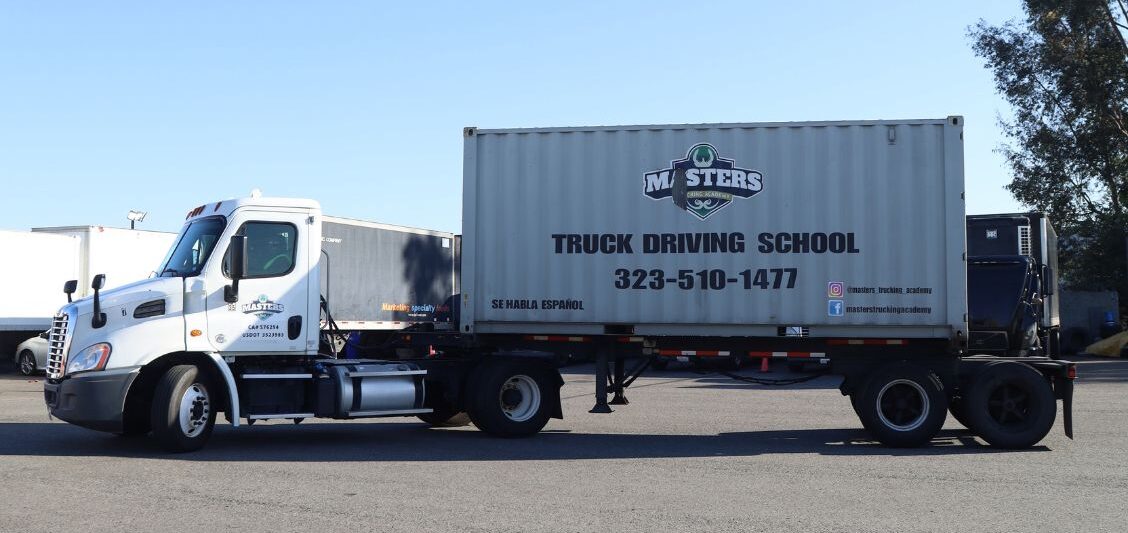
Regional trucking jobs are changing the way many drivers and employers think about work in the trucking industry. These roles offer a middle ground between local routes and long haul schedules, giving drivers more balance while still meeting shipping demands across larger service areas. At Masters Trucking Academy, we see how this shift is creating new opportunities for students who want stable income, better home time, and room to grow. It is a practical path for today’s workforce.
More Drivers Want Balance in Their Schedules
One reason this part of the industry is growing is that many drivers want better work-life balance. Long stretches away from home can be difficult for drivers and their families, especially when personal responsibilities continue to grow. Regional truck driving jobs give companies a way to meet freight demands while offering drivers more predictable schedules. That matters because better balance can improve morale, reduce burnout, and make trucking more appealing to people who want strong pay without staying away for weeks.
Employers Are Adapting to Changing Workforce Needs

Employers are paying closer attention to what drivers want from a job. Home time, route consistency, and manageable schedules are now important hiring factors. As a result, more companies are building positions around regional service areas instead of relying only on long haul routes. This shift is helping attract a wider range of applicants, including career changers and newer drivers. It also shows how regional truck driver jobs are becoming an important part of recruiting and retention across the transportation industry.
Dedicated Routes Bring More Stability
Another major change is the growth of dedicated regional work. When drivers have familiar routes, regular customers, and clearer expectations, they can often perform with more confidence and efficiency. This is one reason regional dedicated trucking jobs continue to gain attention. They support planning, improve communication, and give both drivers and employers more consistency. That kind of structure can help reduce stress, improve time management, and create stronger long-term relationships between companies and the people they hire to move freight.
Regional Work Supports Stronger Retention
Retention remains a major issue in trucking, and regional roles can help address it. When drivers have a schedule that feels more sustainable, they are more likely to stay in the field and build a career. That is important for employers trying to reduce turnover and maintain dependable service. Regional opportunities also give new drivers a strong starting point because they offer valuable experience without some of the challenges that come with extended over-the-road life. That can make the transition into trucking feel more realistic.
Training Helps Drivers Prepare for These Roles
As the industry changes, training needs to keep pace. Drivers need strong fundamentals, safe habits, and a clear understanding of what employers expect in different types of positions. At Masters Trucking Academy, we help students prepare for a range of job paths, including regional work that offers both responsibility and opportunity. When students understand route demands, time management, communication, and safety from the beginning, they are better prepared to step into these evolving roles with confidence and professionalism.

The trucking industry continues to shift, and drivers are looking for roles that offer both steady work and a better quality of life. Companies are responding by creating more structured opportunities that support retention, consistency, and strong performance. At Masters Trucking Academy, we help students prepare for the real demands of today’s job market so they can move forward with confidence. Enroll in Masters’ truck driver training program today and start building your future through regional trucking jobs.
 How Structured CDL Programs Improve Fleet Safety