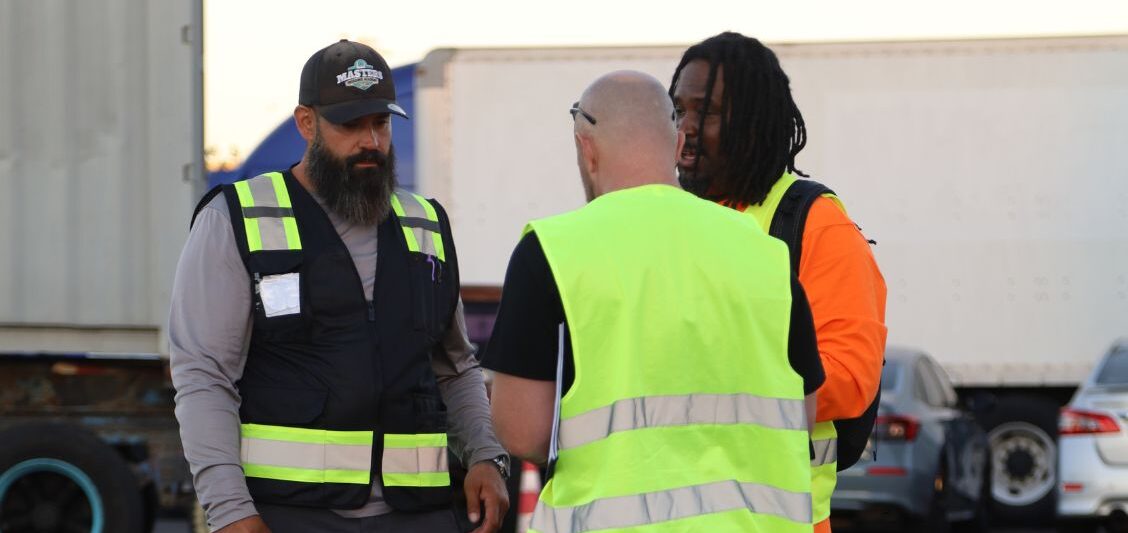
Fleet safety depends on more than hiring licensed drivers. It depends on how well those drivers were trained before they ever entered your workforce. At Masters Trucking Academy, we know structured instruction builds better habits, sharper awareness, and stronger decision-making on the road. When training follows a clear process, drivers are more prepared to protect equipment, cargo, and the public. That kind of preparation matters for accident prevention, compliance standards, and the long-term strength of any transportation operation.
Better Training Reduces Risk Early
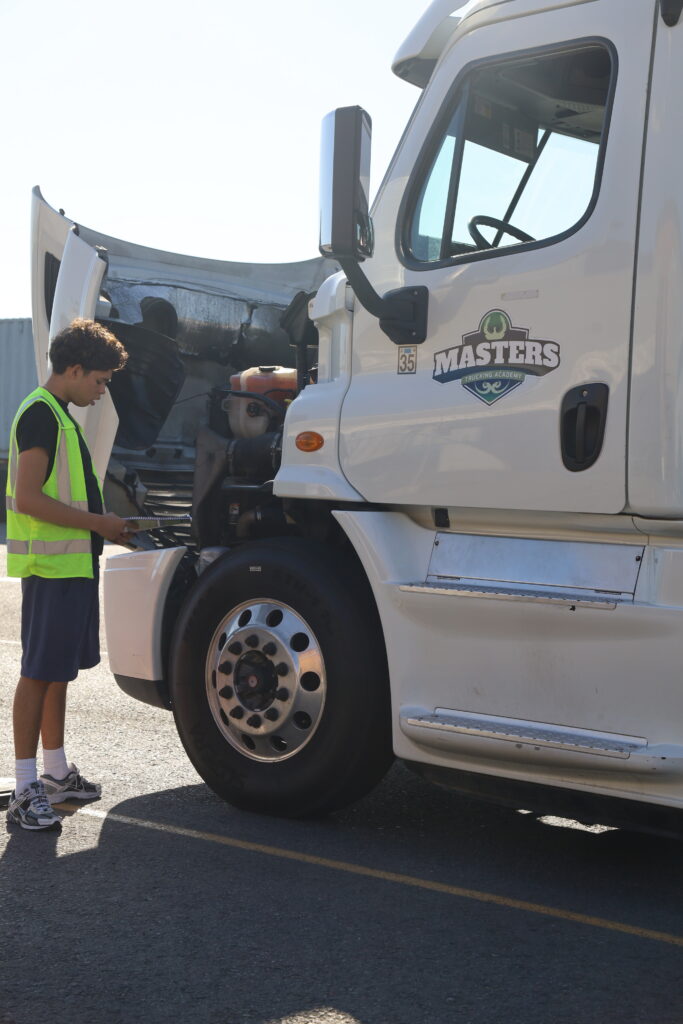
A structured training approach helps new drivers build safe habits from the beginning. Instead of rushing through the basics, students learn inspections, turning, backing, spacing, and hazard awareness in a clear order. That consistency lowers the chance of common mistakes once they start working. For employers, this means fewer preventable issues caused by inexperience or poor preparation. Training quality has a direct effect on performance, and performance has a direct effect on safety outcomes across the full operation.
Safer Drivers Support Compliance Goals
Compliance becomes easier when drivers are trained to take procedures seriously. A strong fleet safety program depends on drivers who understand inspections, logs, equipment checks, and safe operating practices. When these habits are introduced early, they feel like part of the job instead of an afterthought. That matters because compliance issues can lead to costly delays, failed inspections, and a damaged reputation. Structured training helps new drivers enter the workforce with a stronger respect for rules and daily accountability.
Insurance Costs Reflect Driver Readiness
Insurance providers pay close attention to risk, and training quality can influence how that risk is viewed. Drivers who enter the field with better preparation are less likely to make costly errors that lead to claims, equipment damage, or liability issues. Over time, that can support stronger outcomes for employers managing costs and retention. Good preparation is part of smart fleet safety management because it protects both people and business operations. Better-trained drivers often help create more stable, reliable teams.
Accident Prevention Starts Before Hiring
Accident prevention does not begin after a driver is hired. It starts during training, when habits are formed and expectations are set. Students who learn under a structured system are more likely to approach the road with patience, discipline, and situational awareness. These are the qualities that reduce collisions, improve response time, and support better judgment in changing conditions. Employers benefit when training has already built those patterns, because it shortens the gap between graduation and dependable job performance.
Strong Programs Help Fleets Retain Better Drivers
Well-trained drivers are often more confident, more consistent, and more likely to stay in the industry. That matters because turnover can create safety gaps, hiring pressure, and extra costs. Strong fleet safety programs are easier to maintain when new drivers arrive with a solid foundation and a professional mindset. At Masters Trucking Academy, we see training as an investment that benefits both drivers and employers. The stronger the instruction, the more value a graduate can bring to a fleet over time.
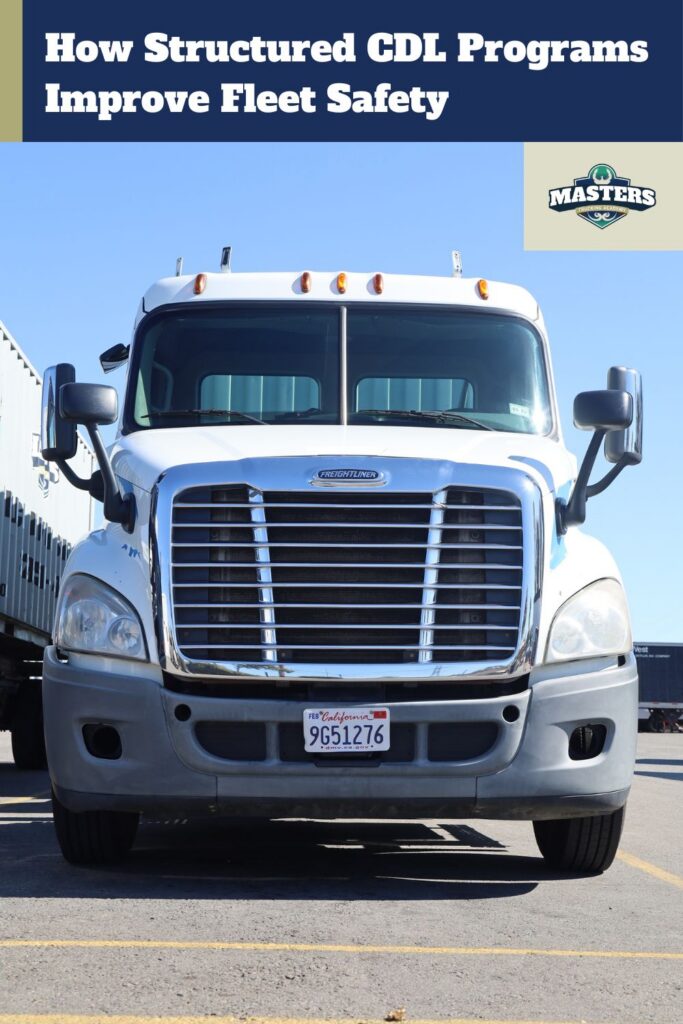
For employers, training quality should never be viewed as a separate issue from compliance, insurance, or accident prevention. It is part of the same picture. Structured CDL programs help create safer, more dependable drivers who are ready to support strong performance from day one. At Masters Trucking Academy, we build that foundation through clear instruction and real-world preparation. Enroll in Masters’ truck driver training program today to support stronger hiring outcomes and long-term fleet safety.
 How Long Does it Take a Truck Driver to Get a CDL Class A?