
A fleet manager needs more than a steady stream of licensed applicants from a CDL school. A strong training partner should help reduce hiring risk by preparing drivers to operate safely, communicate professionally, and enter the workforce with realistic expectations. At Masters Trucking Academy, we believe employers should know what kind of preparation happens before a graduate reaches their fleet. Training quality can affect safety, retention, productivity, and the amount of additional coaching a new hire needs.
Safety Should Be Built Into Every Stage
Safety should never be treated as one lesson among many. Employers should look for schools that reinforce inspections, situational awareness, vehicle control, and sound decision-making throughout the training process. Those habits matter because new drivers will eventually face traffic, tight spaces, changing road conditions, and time pressure on the job. A strong program teaches students to slow down, assess risk, and follow procedures consistently. That foundation gives employers a better starting point when a graduate enters company-specific onboarding.
Hands-On Training Should Reflect Real Driving
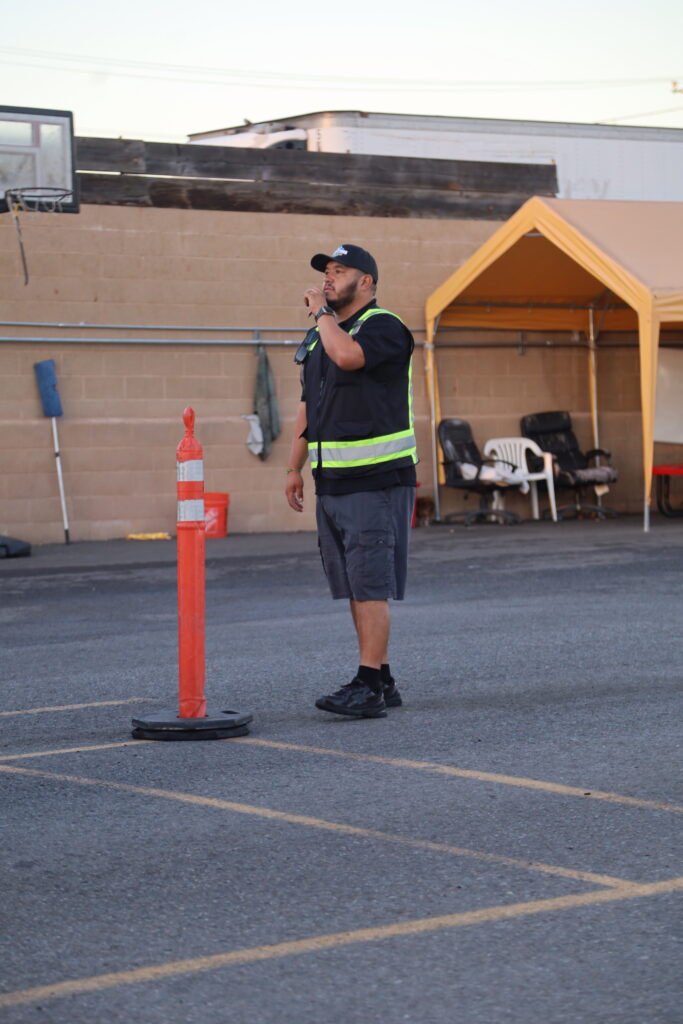
Classroom knowledge is important, but employers should also expect meaningful time behind the wheel. A well-run CDL training yard gives students room to practice backing, turning, maneuvering, inspections, and vehicle control before moving into more complex situations. Repetition helps students build confidence and makes instruction easier to retain. Employers benefit when graduates have already spent time correcting mistakes in a controlled environment instead of learning every basic skill for the first time after they are hired.
Testing Should Measure More Than Memorization
A school should prepare students for the CDL training test, but test preparation should not be the only goal. Employers need drivers who understand why procedures matter and can apply those habits consistently after licensing. A graduate who has memorized steps without understanding them may struggle when conditions change. Strong training connects testing requirements to real-world safety and responsibility. That approach helps students become more adaptable drivers and gives employers greater confidence that a new hire is prepared for continued training.
Training Should Prepare Drivers for Different Career Paths
Not every student plans to do the same type of work after graduation. Some want local routes, while others may pursue regional or OTR opportunities. A good CDL school should help students understand how schedules, route demands, communication, and responsibilities can vary across those roles. Employers benefit when candidates enter interviews with realistic expectations about the work. Better alignment between a driver’s goals and the position can support retention and reduce the likelihood of an early departure after hiring.
Communication With Employers Should Matter
A CDL school can provide more value when it understands what hiring companies actually need. Employers should look for training partners that listen to feedback, understand workforce challenges, and care about how graduates perform after leaving school. At Masters Trucking Academy, we believe strong relationships with employers help improve training and create better opportunities for students. When schools and companies communicate, they can identify skill gaps earlier and work toward a better-prepared, more dependable pipeline of new drivers.

The right CDL school should support more than licensing. It should help create drivers who understand safety, responsibility, communication, and the expectations of a professional fleet. Employers who choose strong training partners can reduce onboarding challenges and build a better foundation for long-term performance. Contact Masters Trucking Academy to learn more about hiring our graduates, workforce partnerships, and training opportunities designed around real industry needs for today’s fleet manager.
 The Difference Between a CDL A and B License