
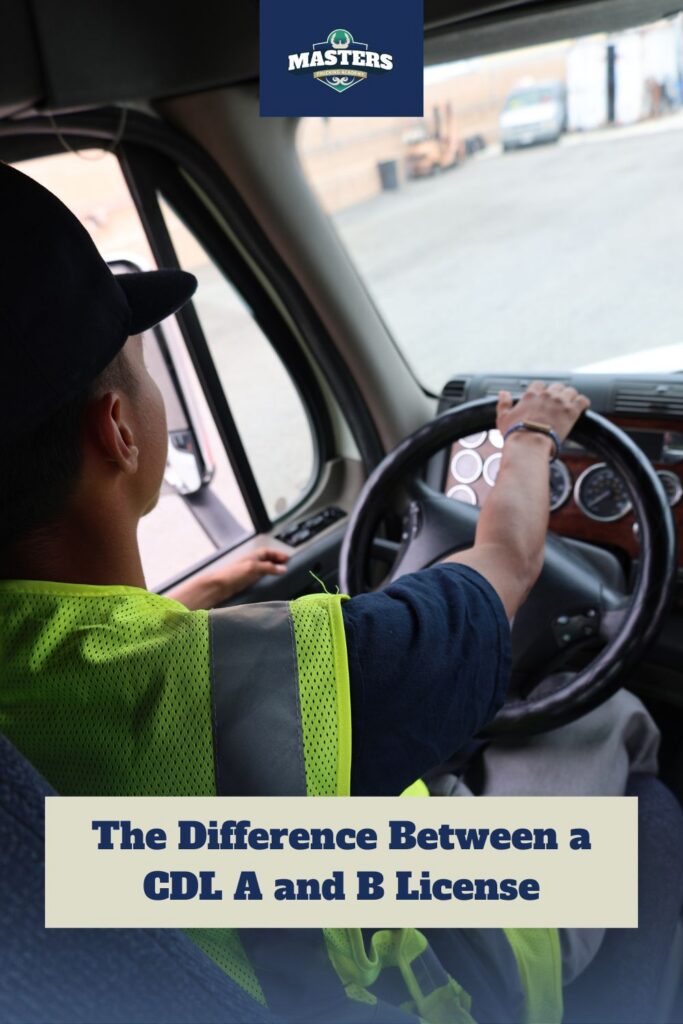
CDL A and B licenses open the door to different commercial driving opportunities, so understanding the distinction can help you choose the right training path. Both licenses allow drivers to operate larger vehicles, but they differ in vehicle type, weight, towing capacity, and common job options. At Masters Trucking Academy, we help students understand what each license can lead to before they begin training. A clear choice now can save time and support stronger career goals later.
Understand What Each License Covers
A commercial license is based largely on the type and weight of vehicle you plan to operate. A class A and B CDL both qualify drivers for heavy commercial vehicles, but the towing rules are different. Class A generally covers combination vehicles with a heavier trailer, while Class B usually covers a single heavy vehicle or a lighter trailer. Understanding this distinction helps students select training that matches the equipment, routes, and industries they hope to enter after licensing today.
What Does a Class A License Cover?

A CDL A license is commonly used for tractor-trailers, flatbeds, tankers, and other combination vehicles. It generally provides the widest range of commercial driving options because qualified drivers may also operate many vehicles covered by lower license classes when endorsements and regulations allow. This flexibility can be valuable for students who want access to local, regional, or over-the-road positions. It may also support future advancement as a driver gains experience and considers more specialized freight opportunities over time as well.
What Does a Class B License Cover?
Students often ask, what is a class B CDL and which jobs require one? Class B typically covers heavy single vehicles, including certain buses, straight trucks, dump trucks, and delivery vehicles. It can be a strong option for people interested in municipal work, construction support, passenger transportation, or local delivery. Because the license does not usually cover heavy tractor-trailer combinations, students should consider whether the available career paths match their long-term income, scheduling, and professional goals before choosing training carefully.
Compare the Career Opportunities
The right license depends on the work you want to pursue. Class A drivers may qualify for tractor-trailer freight, regional routes, long-haul transportation, and specialized hauling. Class B drivers often work in local roles involving buses, refuse vehicles, straight trucks, or construction equipment. Neither option is automatically better for every student. Your preferred schedule, earning goals, comfort with larger combinations, and interest in specific industries should all influence which training path makes the most sense for your future over time.
Choose the Right Training Path
Choosing a license is also a decision about how much flexibility you want later. Some students begin with a clear job in mind, while others want access to the broadest possible range of opportunities. Training quality matters either way because employers expect safe vehicle control, inspections, sound judgment, and professional communication. Masters Trucking Academy helps students understand the responsibilities connected to commercial driving so they can prepare for testing, employment, and the daily expectations of a transportation career early on.
Both license types can lead to stable, rewarding work, but the right choice depends on the vehicles you want to operate and the career you want to build. Masters Trucking Academy can help you understand your options, prepare for licensing, and train with greater confidence. Contact our team to discuss your goals and determine which program may be the better fit for your future with CDL A and B.
 Hidden Costs of Hiring an Inexperienced Truck Driver