Ultimate Guide to Getting Your
CDL Class A in California
Earning your CDL A in California can open the door to local, regional, long-haul, and specialized commercial driving careers without requiring a four-year college degree. But before you can get behind the wheel professionally, you need to work through several important licensing and training stages. From meeting California eligibility requirements and passing your permit tests to completing required training and demonstrating your skills, each step builds toward the same goal: becoming a safe, confident, job-ready commercial driver. This guide breaks down the entire process so you know what to expect and how Masters Trucking Academy can help you move forward.
Table of Contents
- Understand What a Class A CDL Allows You to Drive
- Make Sure You Meet California CDL Requirements
- Complete Your Commercial Driver Medical Examination
- Apply for Your Commercial Learner’s Permit
- Complete Entry-Level Driver Training Requirements
- Choose the Right CDL Training School
- Complete Classroom, Yard, and Road Training
- Prepare for the California CDL Skills Test
- Pass Your Skills Test and Get Licensed
- Prepare for Your First Truck Driving Job
- Frequently Asked Questions
- Related Content
1.
Understand What a Class A CDL Allows You to Drive
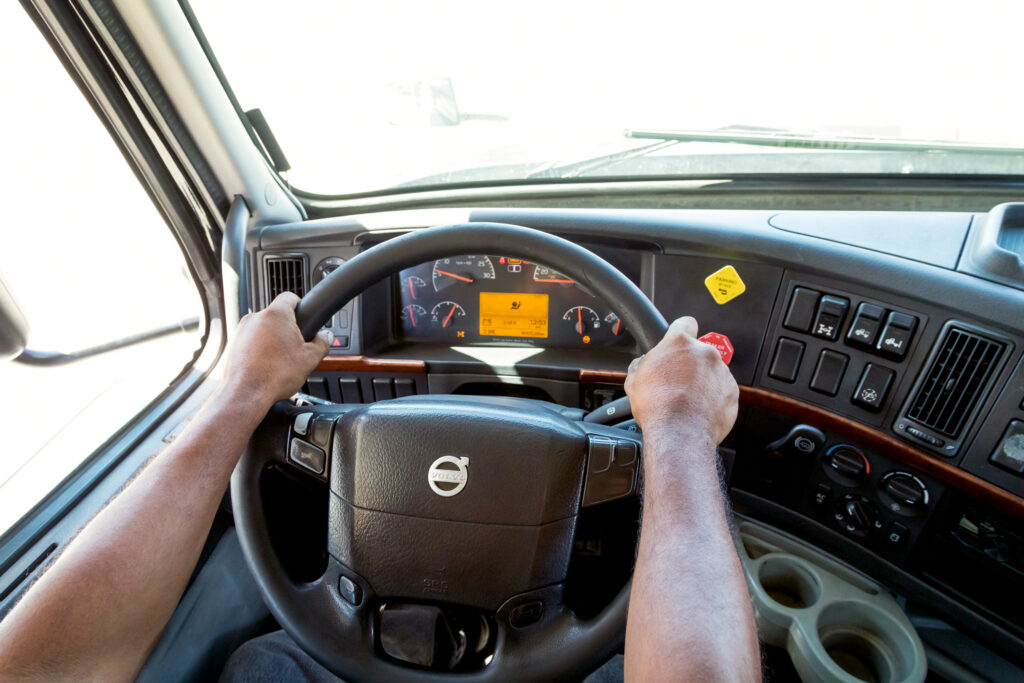
Before beginning training, it helps to understand what makes a Class A commercial license different. In California, a Commercial Class A license generally allows you to operate a legal combination of vehicles with a gross combination weight rating of at least 26,001 pounds when the vehicle being towed exceeds 10,000 pounds GVWR. This category includes the tractor-trailer combinations associated with many freight and transportation careers. Because a CDL class A gives qualified drivers access to a wide variety of vehicles and job paths, it can provide greater career flexibility than a more limited commercial license. Your endorsements, restrictions, age, experience, and employer requirements can further determine exactly what you are qualified to operate.
2. Make Sure You Meet California CDL Requirements
The next step is confirming that you meet the basic requirements to begin the California CDL process. Applicants must be at least 18 years old and hold a California driver’s license before receiving a commercial learner’s permit. Drivers ages 18 through 20 are limited to qualifying intrastate commercial driving, while interstate commercial driving generally requires drivers to be at least 21. Applicants also need to meet identity, driving-history, medical, and other DMV requirements. Taking care of these details before training helps prevent delays later. Masters Trucking Academy can help prospective students understand the process and prepare for the requirements they will encounter as they move toward a class A CDL.
3. Complete Your Commercial Driver Medical Examination
Commercial driving carries significant responsibility, so CDL applicants need to meet applicable medical standards. Before receiving your commercial learner’s permit, you will need to complete the required medical examination and provide the necessary medical certification information. The examination evaluates whether you are medically qualified to operate a commercial motor vehicle safely. Medical certification requirements also continue after licensing, so this is not simply a one-time enrollment task. As of July 27, 2026, medical information for interstate commercial drivers is submitted electronically by qualified medical examiners through the federal National Registry system. Understanding your medical requirements early can help you avoid paperwork problems that slow down the licensing process.
4.
Apply for Your Commercial
Learner’s Permit
Before you begin supervised commercial driving, you need a commercial learner’s permit, commonly called a CLP. California applicants complete the CDL application process, provide required documentation, pay the applicable fee, and pass the required knowledge examinations. Depending on the license you are pursuing, you will need to understand subjects such as general commercial driving knowledge, combination vehicles, and air brakes. Once you pass the applicable knowledge tests, the DMV can issue your CLP. California requires you to hold that permit for at least 14 days before you are eligible to take the commercial skills test. Good permit preparation creates a stronger foundation for the practical training that follows.
5.
Complete Entry-Level
Driver Training Requirements
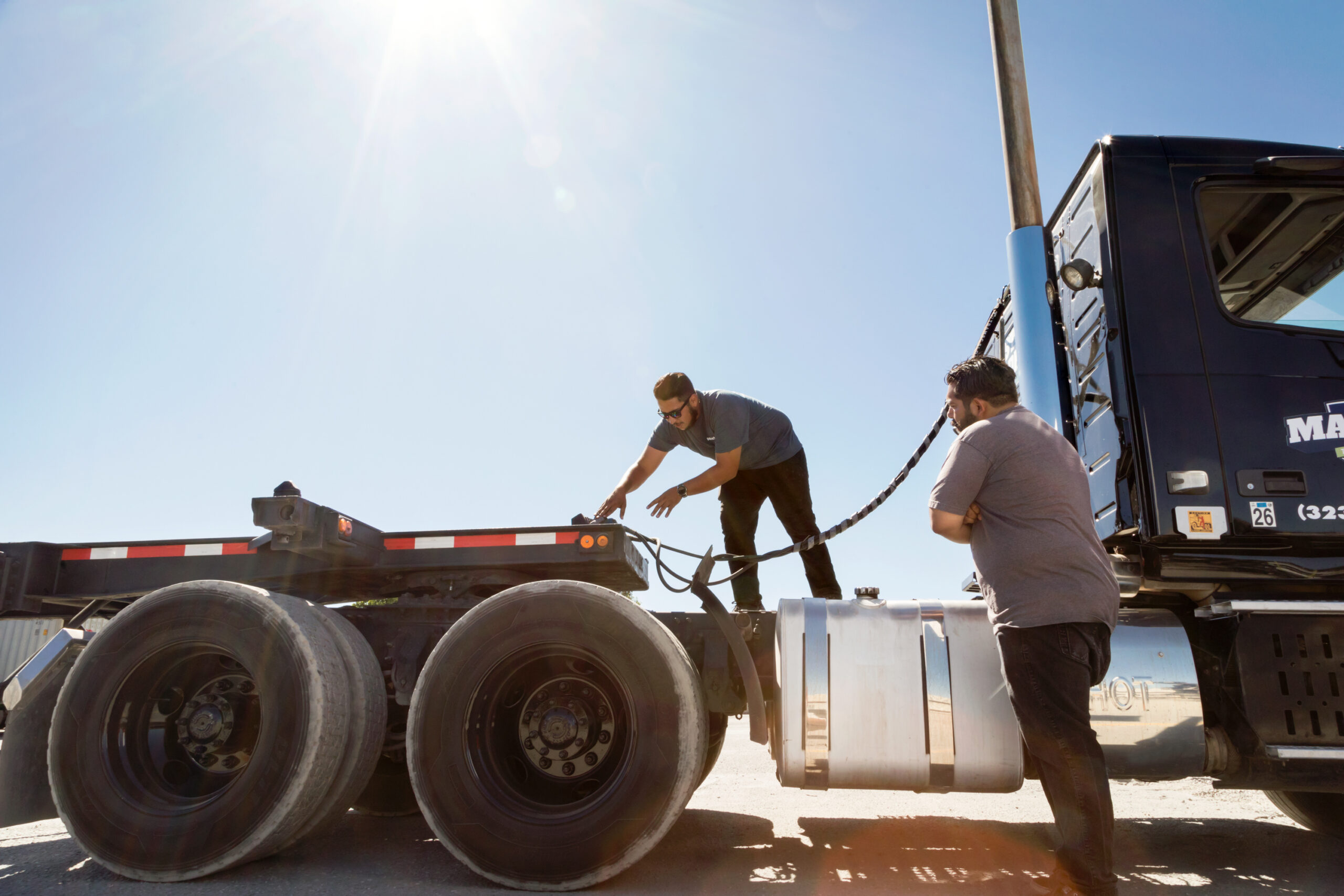
Federal Entry-Level Driver Training, or ELDT, requirements apply to most first-time Class A applicants. Drivers upgrading from a Class B CDL to Class A are also generally subject to these requirements. Training must be completed through a provider listed on the Federal Motor Carrier Safety Administration’s Training Provider Registry. ELDT includes theory instruction and behind-the-wheel instruction, with students required to demonstrate proficiency before their training completion is reported. California also requires Class A and B applicants to complete at least 15 hours of behind-the-wheel training, including at least 10 hours on public roads. Completing these requirements is an important part of becoming eligible for your skills test.

6. Choose the Right CDL Training School
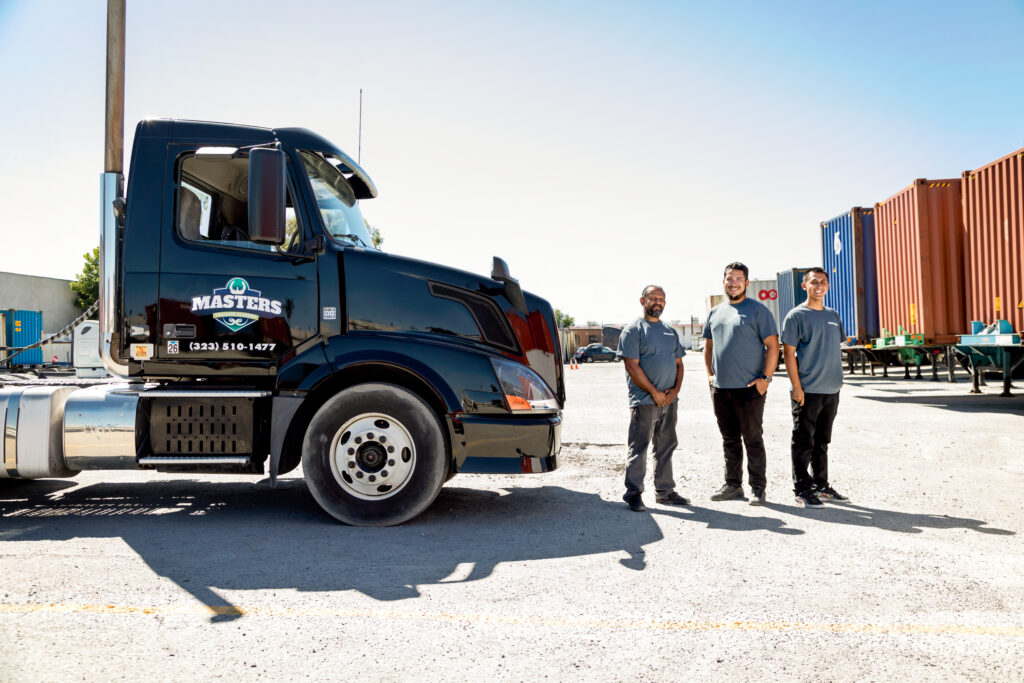
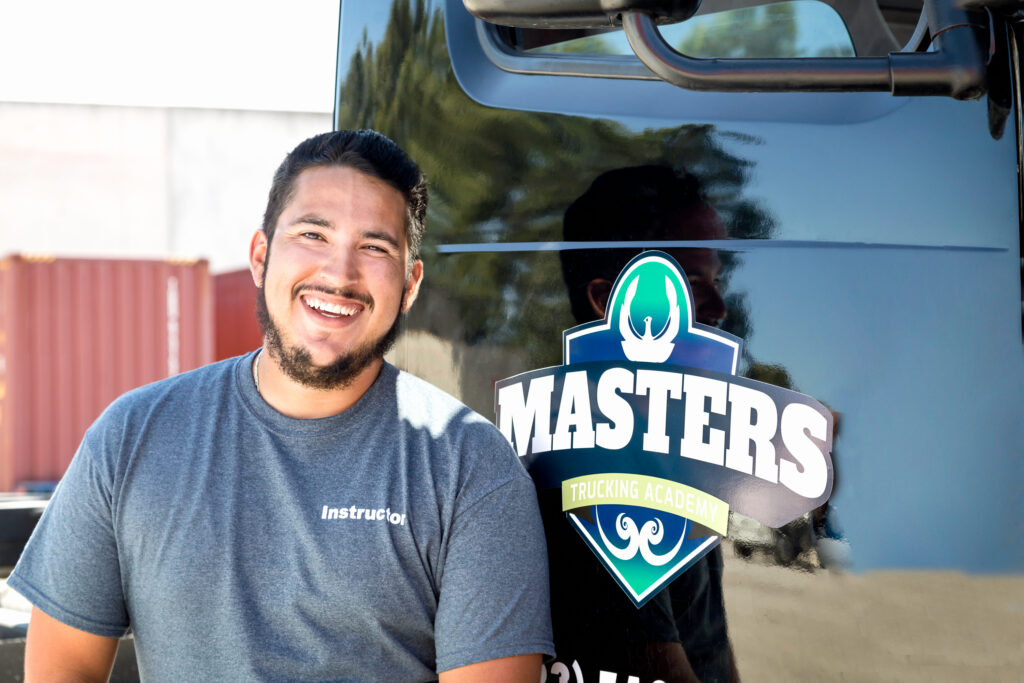
Choosing a school should be about more than finding the fastest route to the CDL license test. Look for a program that teaches safe driving habits, vehicle inspections, basic control, backing, road awareness, and professional responsibility. Students also benefit from instructors who provide clear feedback and enough repetition to build confidence instead of relying on memorization alone. Masters Trucking Academy combines structured instruction with hands-on coaching, flexible scheduling, and support for students preparing to enter the workforce. Masters also helps qualifying students understand financial aid opportunities available through grants and workforce programs, providing another possible path for students concerned about the cost of training.
7. Complete Classroom, Yard, and Road Training
Commercial driving carries significant responsibility, so CDL applicants need to meet applicable medical standards. Before receiving your commercial learner’s permit, you will need to complete the required medical examination and provide the necessary medical certification information. The examination evaluates whether you are medically qualified to operate a commercial motor vehicle safely. Medical certification requirements also continue after licensing, so this is not simply a one-time enrollment task. As of July 27, 2026, medical information for interstate commercial drivers is submitted electronically by qualified medical examiners through the federal National Registry system. Understanding your medical requirements early can help you avoid paperwork problems that slow down the licensing process.
8.
Prepare for the California
CDL Skills Test
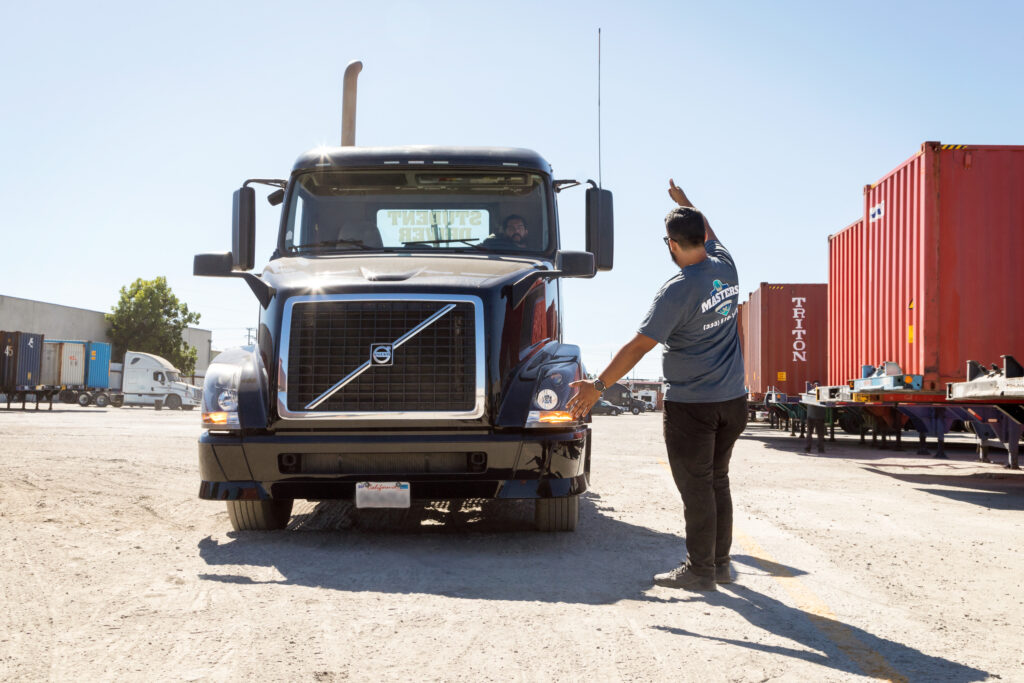
Once you have completed the applicable training requirements and held your CLP for the required period, the next major milestone is your California commercial skills test. The test includes a vehicle inspection, basic control skills, and an on-road driving portion. Each part evaluates whether you can safely handle the responsibilities associated with a class A commercial vehicle. Preparation should involve more than memorizing an inspection script or practicing one maneuver repeatedly. Strong students understand what they are checking, why safe procedures matter, and how to stay composed when conditions change. Mock testing and consistent practice can make the testing environment feel more familiar and help reduce unnecessary test-day anxiety.

9.
Pass Your Skills Test and Get Licensed
After completing your required training, you can take the skills test needed to earn your commercial license. California’s test evaluates vehicle inspection knowledge, basic vehicle control, and driving ability on public roads. If you do not pass one portion, additional testing may be postponed until that portion is successfully completed, so preparing thoroughly matters. Passing represents an important achievement, but it is also the beginning of your professional development. New drivers still need to understand employer expectations, continue sharpening their skills, and adjust to the demands of commercial work. A strong training program prepares students for that transition rather than treating licensing as the end of the process.
10. Prepare for Your First Truck Driving Job
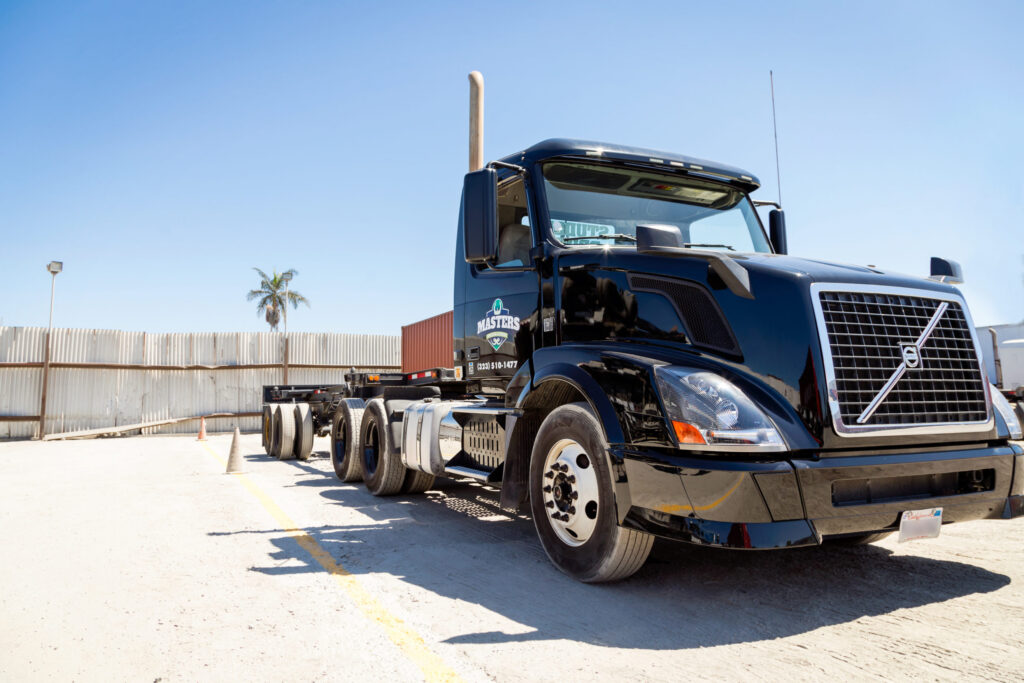
Once licensed, you can begin looking at career paths that fit your priorities. Some graduates want local routes because being home regularly matters most. Others prefer regional driving, where routes cover a larger territory while still offering more predictable home time than many long-haul positions. Over-the-road work can take drivers across multiple states, while specialized careers can include refrigerated freight, construction hauling, car hauling, and other forms of transportation. Masters students do not train on refrigerated trucks as part of the program, but reefer transportation is one career direction a licensed driver may pursue afterward. The right first job depends on your experience, goals, schedule, qualifications, and the requirements of individual employers.
11. Frequently Asked Questions About Getting a CDL in California
How Long Does It Take to Get a Class A License?
The exact timeline depends on your permit preparation, training schedule, individual progress, testing availability, and how quickly you complete each requirement. Masters Trucking Academy’s program is designed to help students move through training efficiently while still building the practical skills needed to drive safely. Many students complete the program within approximately four to eight weeks, although individual timelines can vary.
Do I Need Truck Driving Experience Before Enrolling?
No. CDL training is designed to teach new drivers the knowledge and practical skills required to begin operating commercial vehicles. Students can come from warehouse jobs, construction, retail, high school, or an entirely different career field.
Can I Take Classes Around My Work Schedule?
Masters Trucking Academy offers flexible training options, including weekend CDL classes, which can make training more practical for people who need to continue working or managing family responsibilities.
Is Financial Assistance Available?
Qualified students may be able to receive financial assistance through workforce grants and community programs. These programs can help cover training expenses without requiring students to enter the type of employment contract commonly associated with company-sponsored training.
You do not have to figure out the licensing process alone. Masters Trucking Academy helps students understand the requirements, prepare for their permit, complete hands-on instruction, build safe driving habits, prepare for testing, and move toward employment. If you are ready for a career path built around practical skills and real opportunity, contact Masters or register for the truck driver training program to begin working toward your CDL A.
12. Related Content

 How to Pass Your CDL Permit Test the First Time