Class A CDL training gives students a mix of classroom learning, hands-on practice, and real driving experience as they build the skills needed for a commercial driving career. Since 2017, Masters Trucking Academy has helped future drivers develop those skills through structured instruction and practical coaching. Each part of the day has a purpose, whether you are reviewing safety procedures, practicing inspections, working on vehicle control, or getting more comfortable behind the wheel. Knowing what a typical training day looks like can make starting school feel less intimidating and help you arrive ready to learn.
Start With Classroom Instruction
A training day may begin with classroom instruction focused on the knowledge professional drivers need on the road. Students review safety practices, commercial vehicle systems, regulations, inspections, and other topics that support responsible driving. This is also where instructors can answer questions and explain concepts before students apply them outside. Classroom time helps create a foundation for earning a class A CDL because students need to understand not only how to operate a vehicle, but why specific procedures and safety habits matter.
Move Into Pre-Trip Inspection Practice
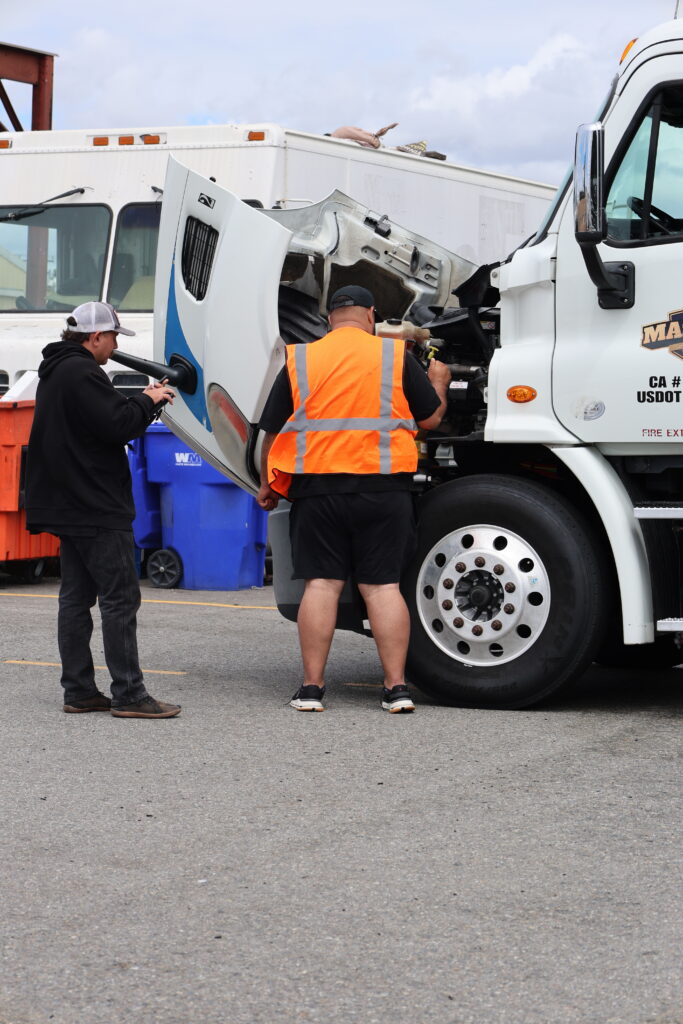
Vehicle inspections are an important part of both training and professional driving. Students spend time learning how to inspect key components, recognize potential problems, and clearly explain what they are checking. Repetition helps the sequence become more familiar and gives students confidence when preparing for the CDL test. Instructors can correct missed steps and clarify anything that feels confusing. Learning inspections properly also reinforces an important mindset: professional drivers take responsibility for making sure their equipment is safe before heading onto the road.
Build Skills in the Training Yard
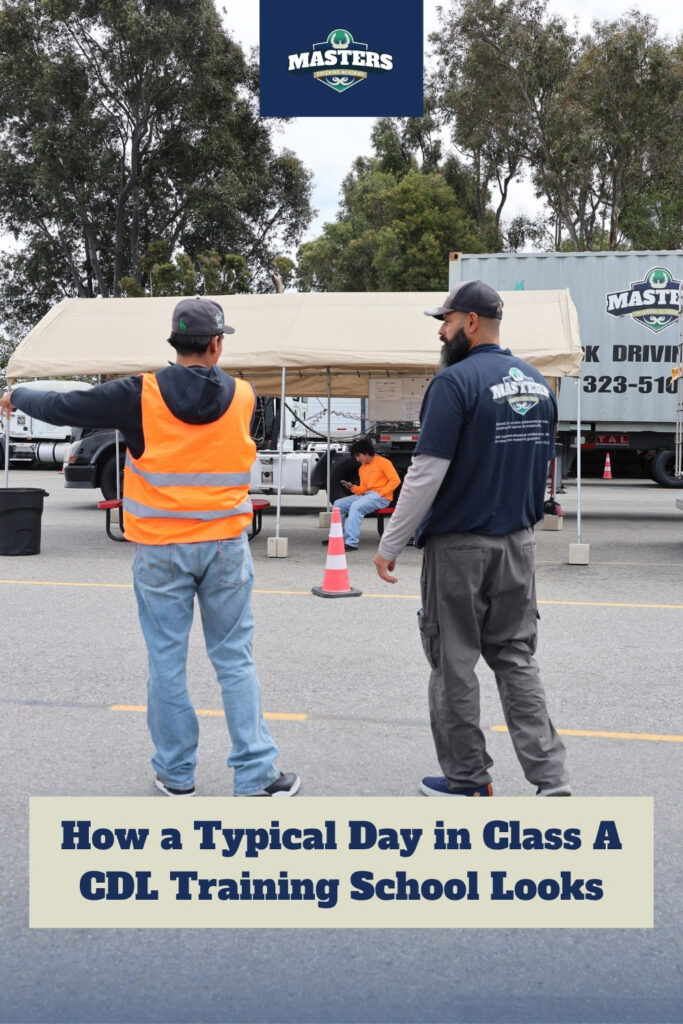
The training yard gives students a controlled place to practice fundamental vehicle skills before applying them in traffic. Depending on where they are in the program, students may work on backing, turning, positioning, stopping, and maneuvering through specific exercises. Yard practice is about repetition and improvement, not getting everything perfect immediately. Instructors watch closely, provide feedback, and help students understand how small adjustments affect the truck. Over time, movements that initially feel unfamiliar become more controlled, consistent, and comfortable.
Get Behind the Wheel on the Road
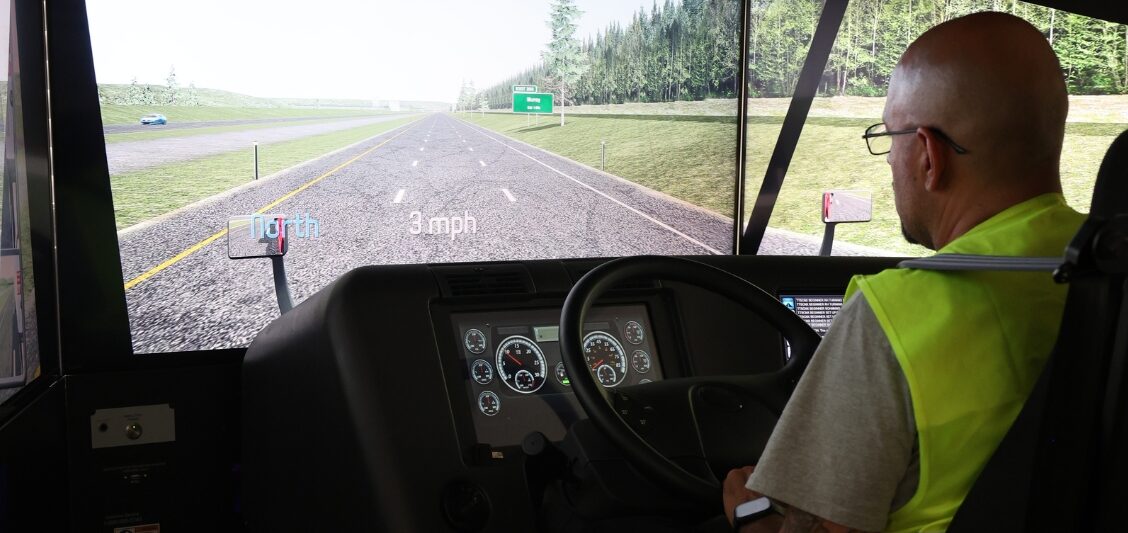
Road practice is where students connect everything they have learned in the classroom and yard to real driving conditions. CDL driver training includes learning how to manage turns, lane position, mirrors, spacing, traffic, and changing road conditions while maintaining control of a commercial vehicle. Instructors provide guidance throughout the process and help students recognize areas that need more work. Every trip adds experience, and that experience helps students become calmer, more observant, and more confident when making decisions behind the wheel.
Finish the Day With Feedback and Improvement
A productive training day is not only about how much time you spend in the truck. It is also about understanding what went well and what needs more practice. Instructor feedback helps students identify habits to strengthen during the next session, whether that involves backing, inspections, turns, or overall awareness. Students should also ask questions while lessons are still fresh. Consistent feedback creates steady progress, and taking that coaching seriously can help students become more prepared for testing and the responsibilities of professional driving.
A typical day at Masters Trucking Academy combines knowledge, repetition, hands-on instruction, and real driving experience so students can build their skills one step at a time. You do not need to arrive already knowing how to operate a commercial truck. You need to be ready to learn, practice, ask questions, and respond to coaching. If you want to know what training could look like for you, contact Masters Trucking Academy and take the first step toward class A CDL training.
 Ultimate Guide to Getting Your CDL Class A in California